
A Closer Look: The Often-Underestimated Force of Wind on Roofing
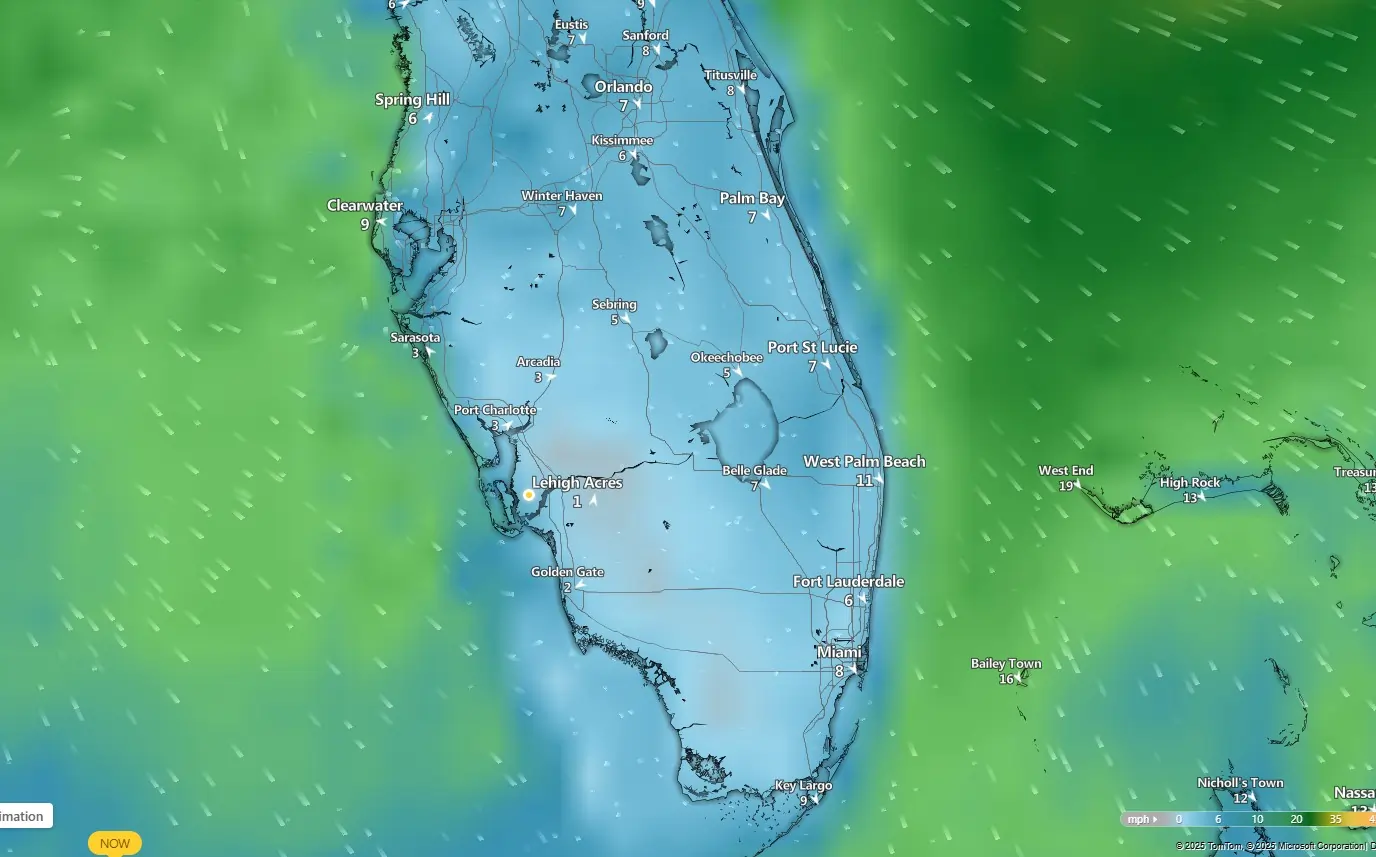
When planning a new roof, people frequently consider material choice, insulation value, and aesthetic appeal. However, they must thoroughly account for the often-underestimated yet immensely destructive force of wind. The potential impact of wind on a roofing system’s structural integrity and longevity can be huge. Understanding how wind interacts with a building is crucial. Giza Roofing Solutions meticulously ensures that every roof resists significant wind uplift, pressure, and turbulence.
How Wind Interacts with a Roof Structure
The way wind affects a roof is quite complex; it’s not merely a horizontal push against one side. When wind blows over a building, it is actually the negative pressure, or uplift, that is the most damaging force. This uplift is created as air accelerates over the curved surface of the roof, effectively trying to pull the roof up and off the structure.
Furthermore, a significant localized force, known as the wind-pressure coefficient, is generated at the edges, corners, and ridges of the roof. Consequently, these specific areas are much more vulnerable to damage and are thus addressed with specialized attention during the design and installation process. Therefore, it is essential that every component, from the underlayment to the final flashing, is securely fastened and meticulously sealed.
The Giza Roofing Solutions Approach to Wind Resistance
In order to mitigate the significant risks associated with wind, a comprehensive strategy is utilized by Giza Roofing Solutions. This strategy encompasses several critical stages:
-
Detailed Wind Load Calculation: Initially, the specific wind speed and pressure ratings for the geographic area are calculated. This information is then used to determine the necessary fastening schedule and material strength.
-
Material Selection: Subsequently, only materials that are proven to resist high wind speeds, such as heavy-duty dimensional shingles or mechanically fastened metal panels, are selected. Because of this, the roof system is capable of greater structural performance.
-
Enhanced Fastening: Moreover, an increased number of fasteners are always used in the perimeters and corners of the roof, as these sections are understood to be the most critical zones. Consequently, a tighter bond and a more resilient system are ensured.
-
Flashing and Sealing: Finally, all vulnerable points, including penetrations and transitions, are thoroughly sealed and flashed. As a result, the risk of water infiltration, which could further undermine the structure during a wind event, is greatly minimized.
Conclusion: Built for Endurance
Understanding the impact of wind on your roof design is a fundamental pillar of quality construction. When you choose Giza Roofing Solutions, you can rest assured. Our team designs and installs your roofing system to actively withstand the powerful, complex forces of nature. We safeguard your investment with our meticulous approach to wind-resistant design. We ensure superior peace of mind.
Have questions about your roof design or would like a roof inspection, Call Us today!
Phone: 239-980-2424
Website: https://gizaroofingsolutions.com/
Check Us out on Google here: https://share.google/OG8AHYWt5OoptGMOg