
Southwest Florida is a paradise of sunshine, beaches, and vibrant communities. But with that beauty comes a unique challenge for homeowners: the relentless sun, humidity, and the ever-present threat of hurricanes. When it comes to your home, nowhere is this balance of aesthetics and resilience more critical than your roof.
In Southwest Florida, a roof isn’t just about curb appeal; it’s your first line of defense against the elements. So, what goes into designing a roof that can stand up to the region’s demands while still looking great? Let’s dive in.
The Florida Building Code: Your Roof’s Blueprint for Strength
Before we talk about styles, it’s crucial to understand the foundation: the Florida Building Code (FBC). This comprehensive code is regularly updated to incorporate lessons learned from past hurricanes, ensuring that new and extensively repaired roofs are built to withstand severe weather. The latest 8th Edition, fully implemented in 2024, introduces significant changes, including:
-
The “25% Rule” Refinement: For newer roofs (built after March 1, 2009, or re-roofed to 2007 standards), if less than 25% of the roof is damaged, only the damaged sections need to be brought up to current code. However, older roofs still often require a full replacement if over 25% is damaged.
-
Enhanced Fastener Requirements: Stricter rules for nail penetration and corrosion-resistant fasteners ensure a stronger grip against high winds.
-
Dual-Layer Underlayment Systems: Many roofing materials now mandate two layers of approved underlayment, providing enhanced protection against water intrusion.
These regulations mean that any roof project in Southwest Florida will involve detailed inspections and permits to ensure compliance. It’s not just about passing a test; it’s about building a roof that protects your family and investment for years to come.
Popular Roof Designs: Form Meets Function
While the FBC dictates the underlying strength, architectural styles and functional needs influence roof design. In Southwest Florida, you’ll commonly see:
-
Hip Roofs: Arguably the most popular in Florida, hip roofs slope on all four sides, creating a sturdy, wind-resistant structure. Their symmetrical design and excellent drainage make them a preferred choice for hurricane-prone areas. They also offer increased attic space.
-
Gable Roofs: This classic design, with two sloping sides meeting at a central ridge, is easy to construct and provides good ventilation. While common, they may require additional reinforcement in very windy regions.
-
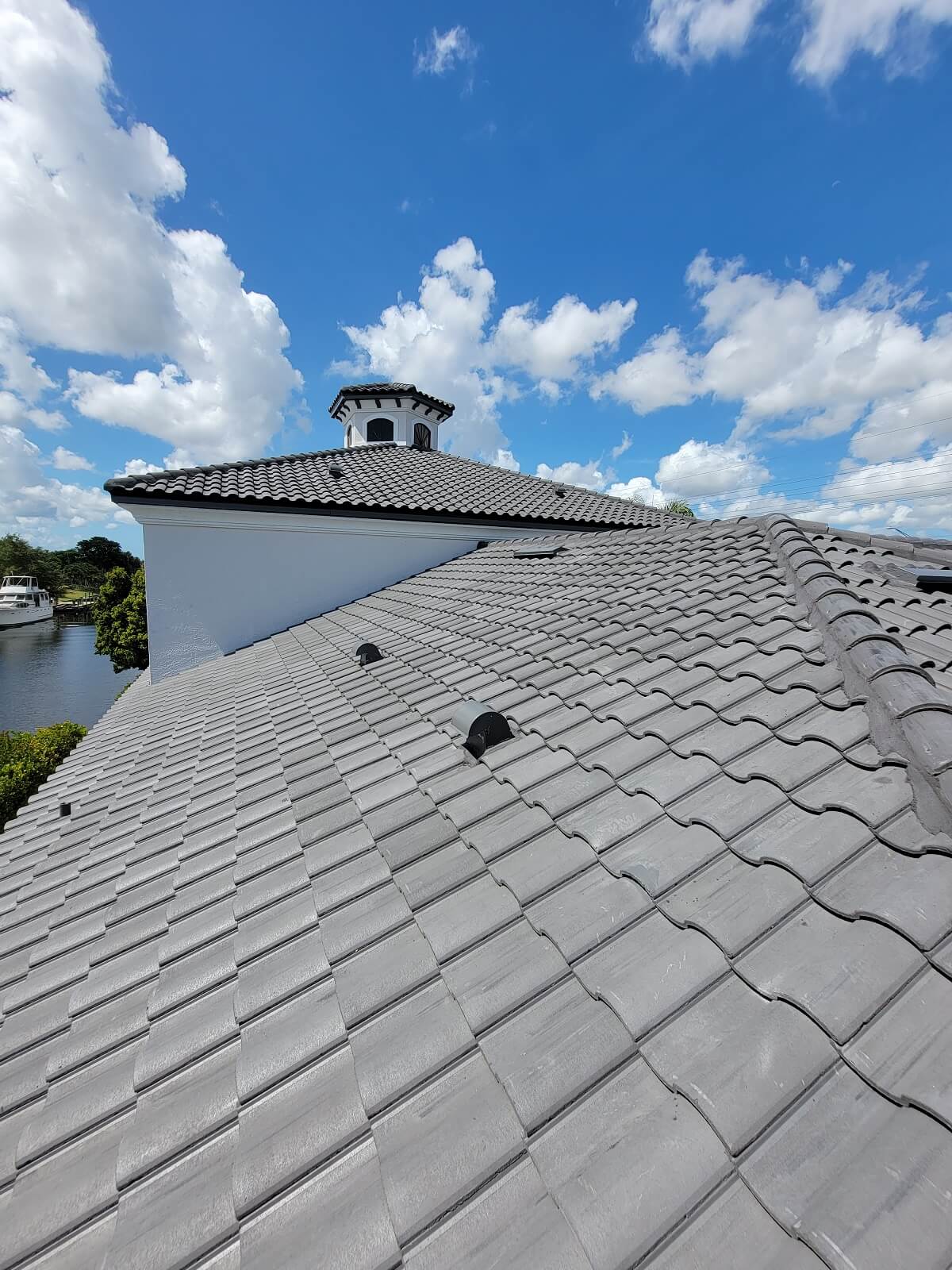
Mediterranean and Spanish-Style Tile Roofs: Often paired with stucco exteriors and arched windows, these roofs feature low pitches and distinctive red (or similar) clay or concrete tiles. They offer excellent longevity (50-100 years for clay) and natural insulation, contributing to cooler interiors.
-
Modern and Coastal Contemporary Flat/Low-Sloped Roofs: For sleek, minimalist designs, flat or low-sloped roofs using materials like TPO (thermoplastic polyolefin) or modified bitumen are gaining popularity. These can be energy-efficient and offer a contemporary aesthetic.
-
Ranch (Florida Ranch) Homes: These single-story homes often feature low-pitched roofs with large overhangs, providing essential shade from the intense Florida sun.
Materials Matter: Built to Endure
Choosing the right roofing material is paramount in Southwest Florida’s challenging climate. Here are some top contenders:
-
Metal Roofing: A highly durable option, metal roofs can last 40-70 years and are exceptionally resistant to high winds (up to 160 mph). They reflect sunlight, helping to keep homes cooler and reduce energy bills. While the initial cost can be higher, their longevity and energy efficiency offer long-term value. Standing seam metal roofs, with hidden fasteners, offer even greater protection.
-
Tile Roofing (Clay and Concrete): A Southwest Florida staple, tile roofs offer unmatched longevity (50-100+ years for clay) and excellent weather resistance. They provide natural insulation and a timeless aesthetic, especially suited for Mediterranean and Spanish architectural styles. However, their weight often requires reinforced roof structures, and they can be more susceptible to impact damage.
-
Architectural Asphalt Shingles: A cost-effective and popular choice, modern architectural shingles are far more durable than traditional 3-tab shingles, capable of withstanding winds up to 150 mph. They come in a wide variety of styles and colors. Look for algae-resistant options due to Florida’s humidity.
-
Composite/Synthetic Shingles: Mimicking the look of slate or wood, these materials offer excellent durability and resistance to extreme weather, often with lifespans of 30-50 years. They are lightweight and can have high impact and wind ratings.
The Strongest Roof Design (Shape)
When considering the absolute strongest roof design, particularly for hurricane resilience, the hip roof stands out. Its four-sided slope offers superior aerodynamic properties, allowing wind to flow over it rather than catching it like a sail (as can happen with gable ends). This significantly reduces uplift pressure, a primary cause of roof failure in high winds. The inherent structural integrity of a hip roof, distributing forces more evenly, also contributes to its robust performance.
Your Trusted Partner: Giza Roofing Solutions
In a region where roof integrity is so vital, choosing the right roofing contractor is as important as the design and materials themselves. Companies like Giza Roofing Solutions, based in Cape Coral and serving all of Southwest Florida, understand the unique challenges of the local climate and the critical importance of adhering to the Florida Building Code.
Giza Roofing Solutions has built a strong reputation for their expertise in various roofing types, including asphalt shingle, tile, metal, and flat roofs. They emphasize using durable, premium materials and offer a comprehensive range of services from new roof installations and re-roofs to detailed inspections and leak detection. Their focus on quality craftsmanship, effective communication, and commitment to customer satisfaction, particularly in the aftermath of major storm events, makes them a valuable resource for homeowners in the area looking to protect their investment. They actively guide homeowners on hurricane preparedness, recommending early inspections, securing materials, and upgrading with hurricane clips and straps to ensure roofs are “storm-hardened.”
The Bottom Line
A roof in Southwest Florida is a significant investment, and its design and material choices should reflect the unique demands of the region. By understanding the Florida Building Code, considering popular and effective roof designs like the robust hip roof, and selecting materials built for durability, longevity, and hurricane resistance, homeowners can create a beautiful and protective shield for their homes. Always work with licensed and reputable roofing contractors, such as Giza Roofing Solutions, who are well-versed in local codes and best practices to ensure your peace of mind, especially as another hurricane season approaches.
Owens Corning Website:https://www.owenscorning.com/en-us/roofing/contractors/contractor-profile/228005
GAF website: https://www.gaf.com/en-us/residential
Polyglass Website: https://www.polyglass.com/
Metal Maniacs website: https://metalmaniacsfl.com/
Our website: https://gizaroofingsolutions.com/
Our Phone #: 239-980-2424
License #: CCC1331760