In Southwest Florida, a roof is far more than curb appeal. It serves as the primary shield protecting your home from hurricanes, relentless sun, and constant humidity. As a trusted contractor, Giza Roofing Solutions knows roof quality depends on installation technique, not just the materials used. We follow roofing manufacturer specifications exactly. After all, we understand that adhering to these best practices builds a system engineered for true resilience.
Here’s a closer look at the critical components of a roof installation and why our commitment to manufacturer specifications makes the difference.
1. Shingle Nailing Patterns: The Grip That Fights the Wind
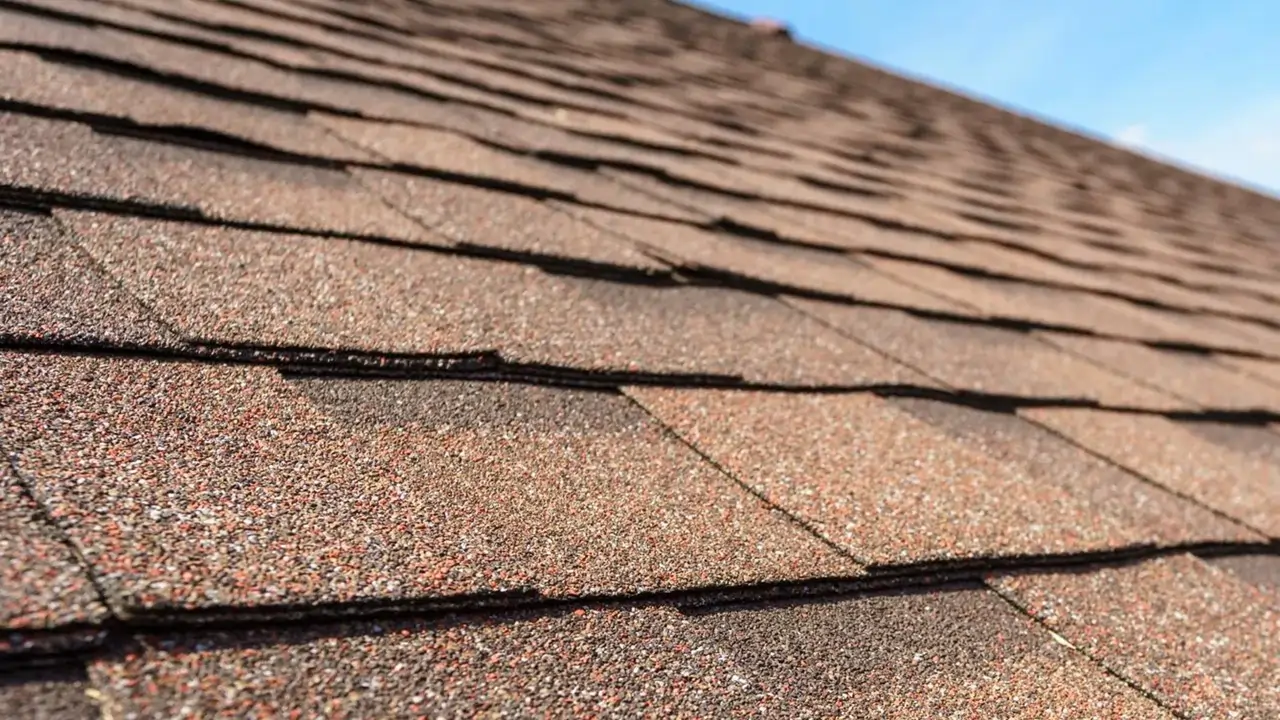
Nailing a shingle might sound simple, but in a high-wind zone, it’s a science. Manufacturers specify precise patterns, often four- or six-nail configurations, to achieve maximum wind resistance. The location of each nail is crucial. It must land within the designated “nailing zone.”
Our crews at Giza Roofing Solutions follow these exact patterns. We use the correct number of nails, placed in the precise locations specified. Ultimately, this secures your shingles to resist hurricane-force wind uplift.
2. The Right Fasteners: It’s All About the Bite
Using the wrong nail can compromise the entire roof system. Therefore, a roofer must use a corrosion-resistant fastener that provides superior grip, especially in coastal areas.
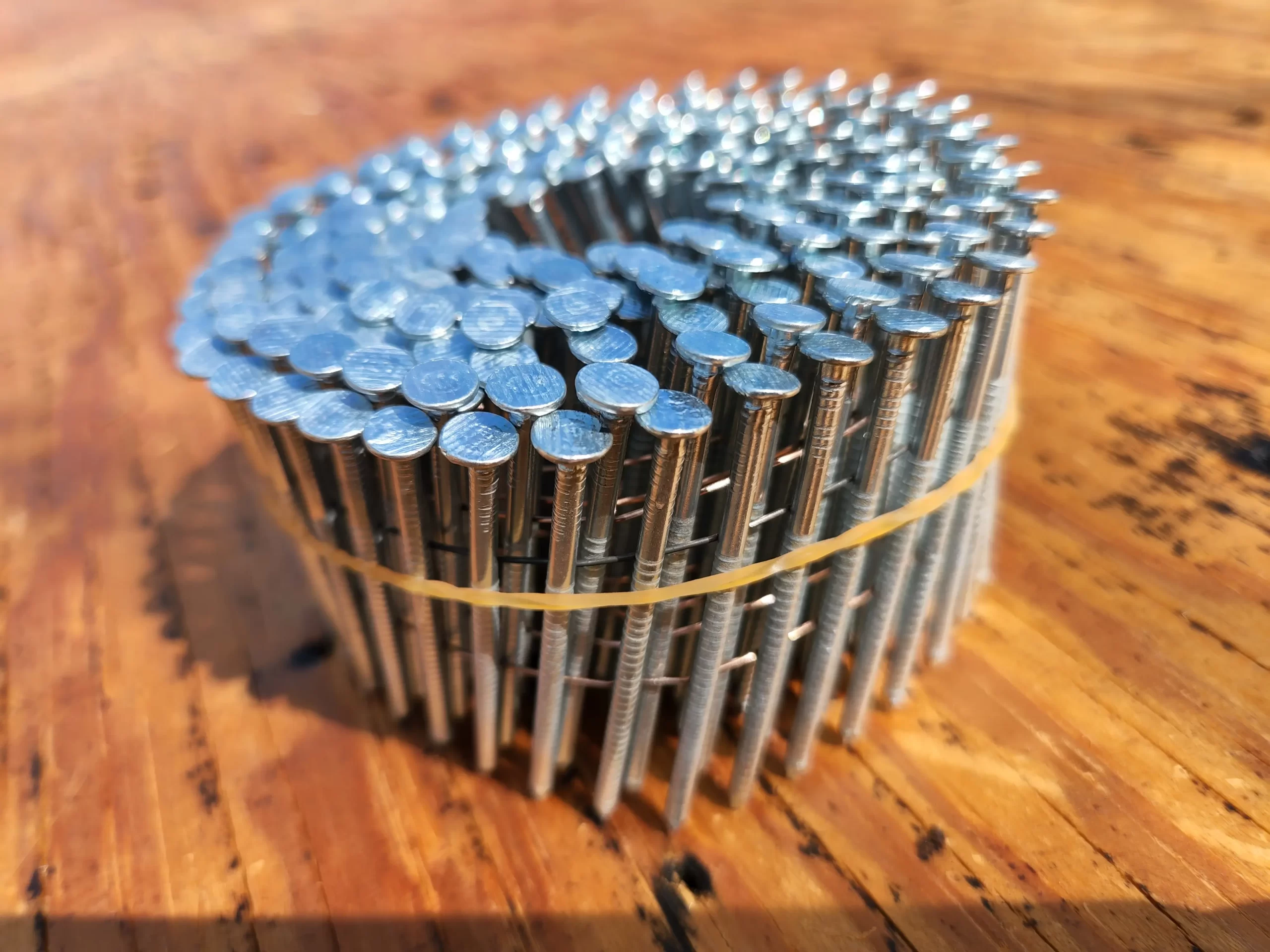
- Type of Nails: We use hot-dipped galvanized or stainless steel nails, as specified by the manufacturer. These resist the salt air and humidity of our coastal environment better.
- Ring-Shank Nails: For asphalt shingles, ring-shank nails offer superior holding power. The rings on the shank act like barbs, resisting pull-out forces that would fail a smooth-shank nail.
- Proper Penetration: The nail must penetrate completely through the shingle and a minimum of ¾-inch into the roof deck for a secure hold.
3. Underlayment and Sheathing: The Foundation of a Strong Roof
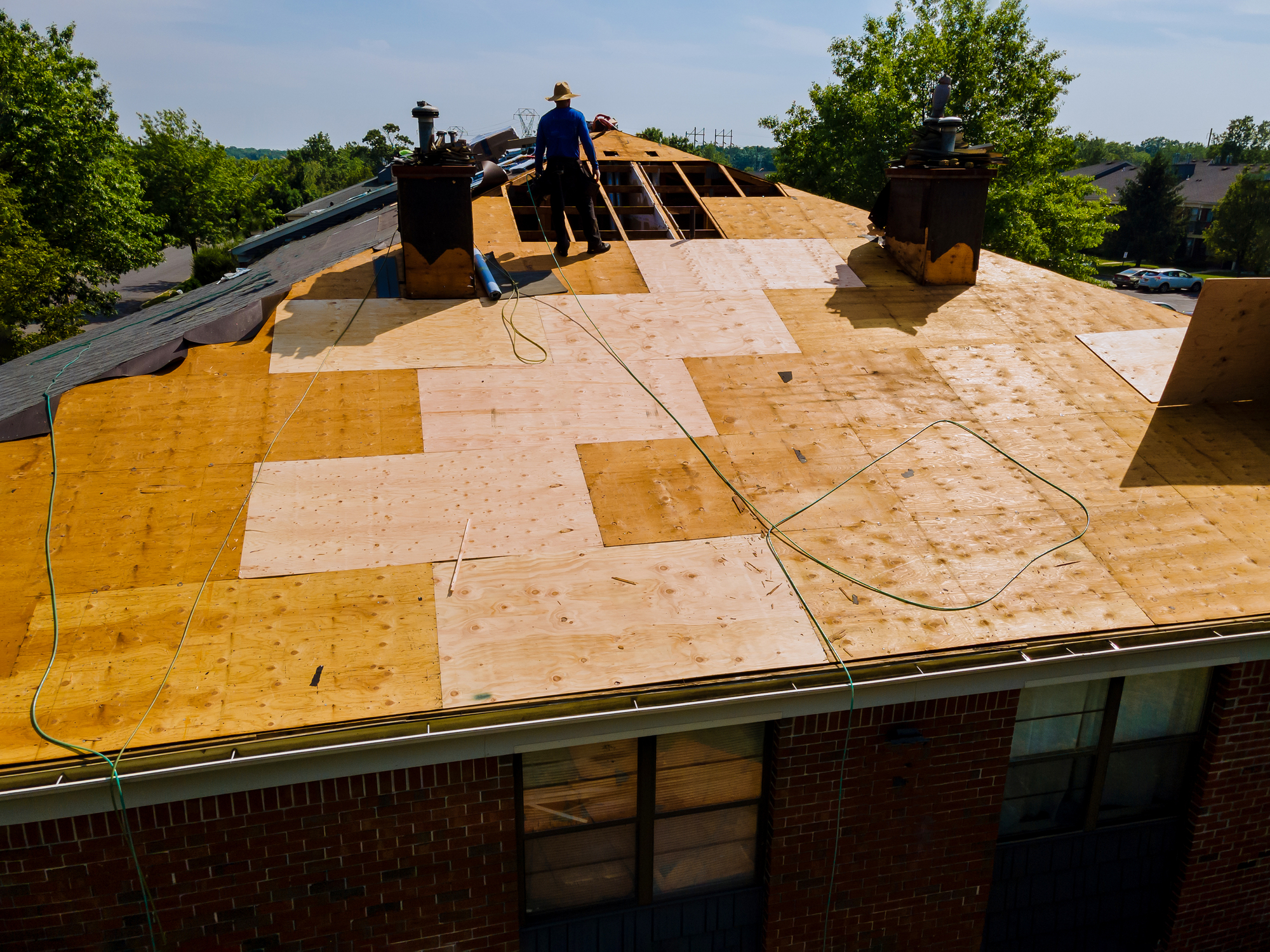
A roof is only as strong as its foundation. The materials beneath the shingles keep water out even if a shingle or tile is compromised.
- Proper Underlayment: In Southwest Florida, we use synthetic underlayment or a self-adhering (peel-and-stick) membrane. This secondary water barrier offers incredible durability and repels water better than traditional felt paper.
- Sheathing Thickness: Building codes in high-wind zones often require ⅝-inch or thicker OSB or plywood sheathing. We ensure the sheathing we install meets or exceeds these requirements, providing a solid, safe foundation.
4. Sealants and Adhesives: The Finishing Touches That Seal the Deal
Sealants and adhesives are integral to a code-compliant installation, not just for patching leaks. We use high-quality, manufacturer-specified sealants designed to withstand extreme temperatures and constant movement.
Specifically, we use these materials in critical areas like around pipe vents, chimneys, and in valleys. A thick bead of sealant creates a powerful bond at the eaves and rakes, preventing wind from getting underneath and lifting the materials.
Why Manufacturer Specifications Matter So Much
Every roofing material, whether it’s a specific brand of shingle, tile, or metal, is engineered to work as a complete system. The manufacturer’s instructions are the blueprint for this system, detailing how each component—from the underlayment and flashing to the fasteners and shingles—must be installed to function together flawlessly.
- Hurricane Resilience: In a High-Velocity Hurricane Zone (HVHZ) like Southwest Florida, a roof’s ability to withstand extreme winds is a matter of life and death for the entire structure. Manufacturer specifications include precise fastener patterns, nail lengths, and application techniques that are engineered and tested to resist wind uplift. If even one component is installed incorrectly, the entire system can fail under pressure, leaving your home vulnerable to catastrophic damage.
- Warranty Protection: A roof is a significant investment, and its warranty is your long-term peace of mind. Most manufacturers offer a warranty that covers material defects, but this warranty is void if the roof was not installed according to their specific guidelines. A manufacturer-certified installer, like Giza Roofing Solutions, knows these specifications inside and out and can offer extended warranties that cover not just the materials but also the workmanship, providing an extra layer of protection.
The Dangers of Cutting Corners
When a roofing contractor deviates from the manufacturer’s instructions to save time or money, they are not only compromising the quality of your roof but also putting your home at risk.
Premature Failure
Incorrect nailing, using the wrong materials, or skipping crucial installation steps can cause the roof to fail long before its expected lifespan. Specifically, this results in costly leaks and water damage. Ultimately, you’ll need a premature, and expensive, replacement.
Insurance Complications
Furthermore, an improperly installed roof can complicate or even invalidate insurance claims after a storm. Your insurance company may deny a claim if an adjuster determines the damage was a result of faulty installation rather than a natural event.
Why Choose a Certified Installer
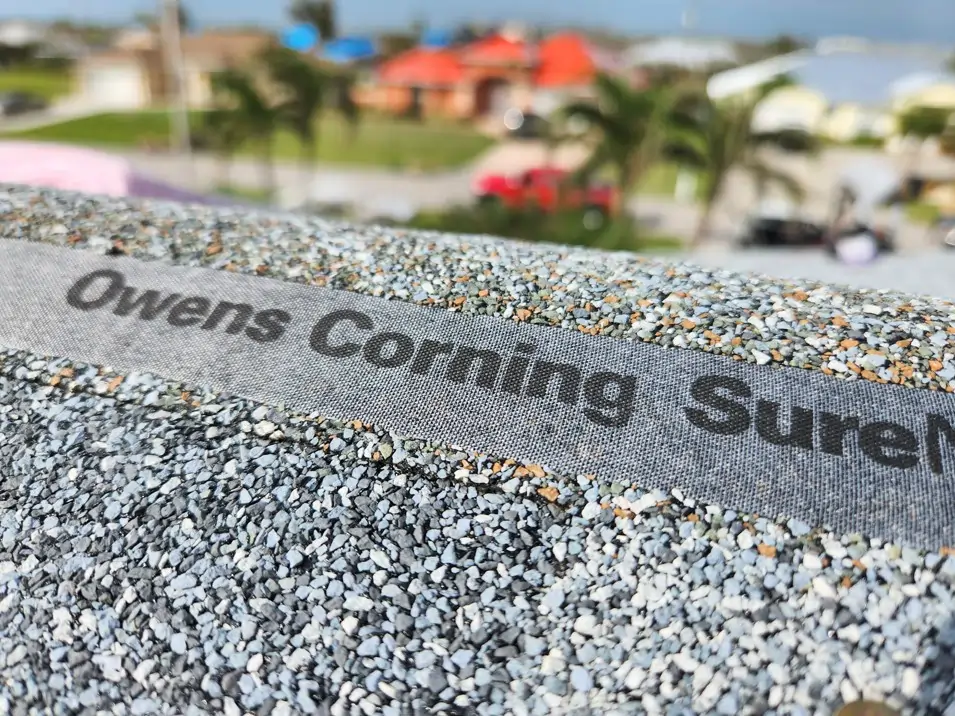
Giza Roofing Solutions is a certified installer for top brands like Owens Corning and GAF, a distinction which guarantees our crews are thoroughly trained and tested on precise manufacturer specifications. Ultimately, choosing a certified team ensures that every layer of your roof is installed perfectly, providing you with a secure, reliable, and warranty-compliant system.
The Giza Roofing Solutions Difference: Why We Don’t Cut Corners
In contrast, we at Giza Roofing Solutions don’t guess or take shortcuts. Instead, our commitment is to install every roof system exactly as the manufacturer intended. Specifically, this means:
-
We Follow the Specs: We follow the precise nailing patterns, use the correct fasteners, and adhere to the specified installation methods for every single product on your roof.
-
We’re Certified: Our crews are trained and certified by leading manufacturers like Owens Corning and GAF or VELUX. Furthermore, this certification not only guarantees our expertise but also allows us to offer extended warranties that you can only get from a certified installer.
Therefore, when you choose Giza Roofing Solutions, you’re not just getting a new roof. You’re getting the peace of mind that comes from a team dedicated to building a roof that is as strong, durable, and reliable as the people it protects.
Protect your peace of mind and your home. Contact Us today!
Website: https://gizaroofingsolutions.com/
Telephone: 239-980-2424
Google: https://share.google/bklKQs99WooimUqpt
Facebook: https://www.facebook.com/GizaRoofingSolutionsInc/
Instagram: https://www.instagram.com/gizaroofingsolutionsinc/
License #: CCC1331760